Press area
• Management — its availability, proximity and problem-solving capacity — stands out as the main differentiating factor between centres.
• Operational and human aspects outweigh technology for tenants: 54.5% prioritise in-store services compared with 33.6% who prioritise the digital experience.
• Common areas, brand complementarity and experience personalisation are consolidating as drivers of commercial activity.
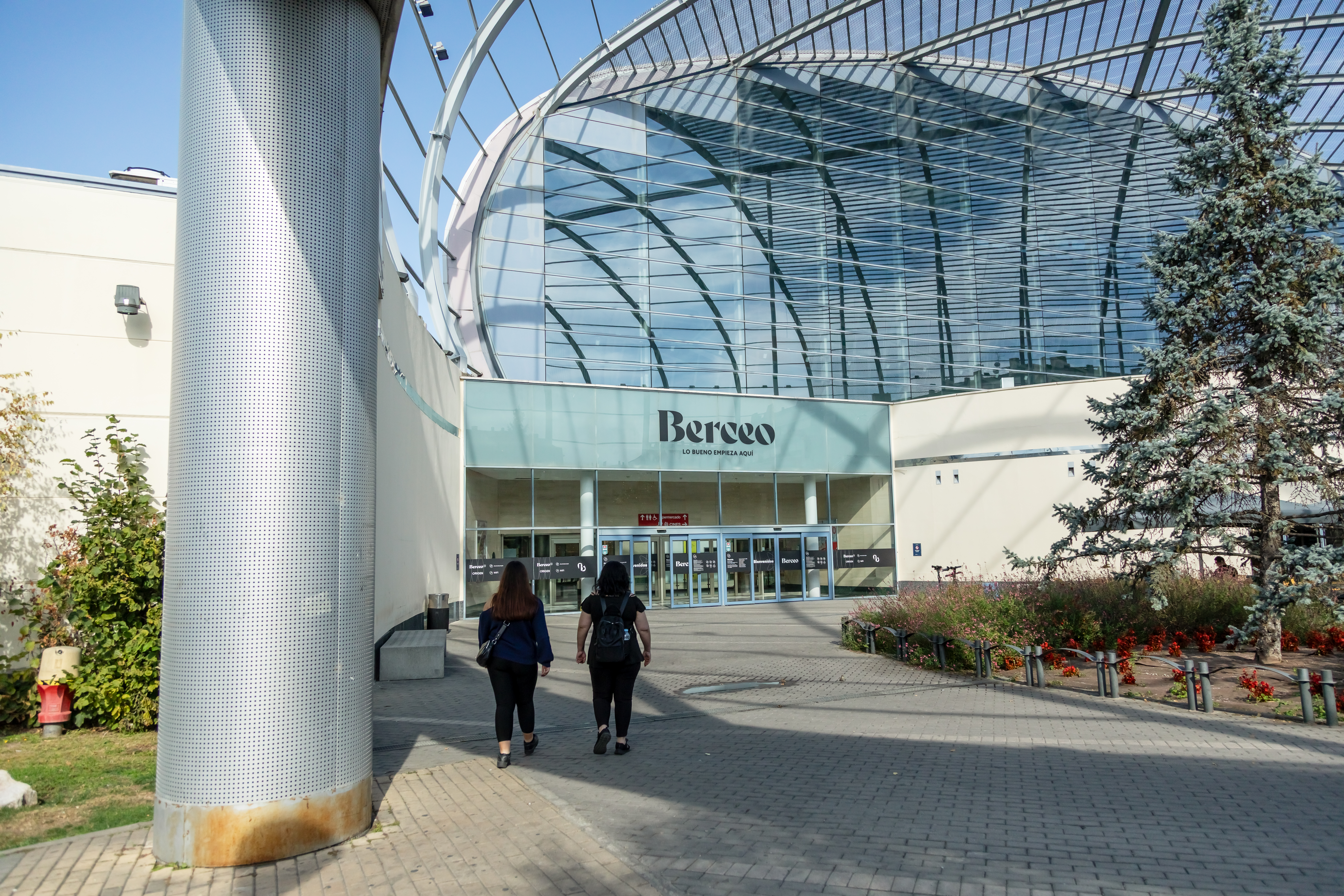
Castellana Properties, a listed company specialising in the acquisition and management of shopping centres and retail parks across the Iberian Peninsula, has conducted a satisfaction survey among 753 retailers operating in its shopping centres in Spain and Portugal to analyse the factors that determine the operator experience within the asset. The main conclusion of the analysis is that retailers consider the operational relationship with ownership to be the real driver of business, ahead of factors traditionally associated with the asset itself.
Management — its availability, proximity and ability to resolve issues — emerges as the main differentiating element between centres. Operators prioritise operational support over physical attributes such as architecture or design, which move into the background in the overall assessment. Daily interaction with management teams is directly linked to store performance, reinforcing the perception of the shopping centre as a business partner rather than a traditional landlord. Proximity in management and ongoing dialogue therefore rank among the most highly valued aspects, with an average score of 8.0 out of 10 across Castellana Properties’ centres and half of operators rating it outstanding (9 out of 10).
Julio García, Chief Operating Officer of Castellana Properties, commented: “The results show that physical retail is no longer only a real estate business, but primarily an operational one. Today, retailers are not just looking for a location, but for an environment that facilitates their daily activity. Collaboration with ownership, coordination between operators and centre management directly influence business performance. This change aligns with the vision we have always defended at Castellana Properties: the importance of active management. The shopping centre is evolving into a shared platform where value lies both in the asset and in how it is managed.”
At the same time, the report confirms that digitalisation and omnichannel retail are part of the current retail landscape but do not determine retailers’ overall assessment. The human factor — professional treatment, coordination and operational support — carries more weight than technology alone for tenants: 54.5% prioritise improving in-store services and 42.6% staff training, compared with 33.6% who highlight improving the digital experience.
From a business perspective, retailers also identify the role of common areas in commercial activity. The in-centre experience directly influences store performance: 45.0% cite common areas and the shopping experience as relevant to their business, alongside footfall (73.8%) and security (26.7%), which remain the main drivers of activity within the asset.
In this context, the shopping centre is consolidating its role as a shared commercial environment. Synergies between brands form part of its appeal, considered relevant by 26.3% of operators, who value operator complementarity as a generator of traffic and visibility.
Beyond direct sales, retailers perceive the shopping centre as a source of visibility for their businesses. Presence within the asset contributes to brand positioning, supported by the joint offer and retail variety — the main selection criterion for consumers (37.4%), ahead of technological factors (12.5%). In terms of trends, operators point towards greater personalisation of the shopping experience: 38.0% consider offering 360º personalised experiences a priority, reflecting the shift towards more customer-adapted relationship models.
Communication contact

- Laura Serrano-Conde
- +34 685 18 95 07
- Alba Buendia
- +34 691 43 75 92
- Gloria Guerra
- +34 635 58 30 88
Poeta Joan Maragall 38
Ed. Cuzco II 8º 9º
28020 Madrid